


Les opérations des bateaux modernes nécessitent des vues de sécurité continues. Les mers sont très agitées.Caméras PTZ doubles maritimesElles combinent des capteurs thermiques et un grand zoom optique. Elles sont installées sur des supports stables. Cette configuration intelligente fournit des images nettes. Elle fonctionne en plein jour. Elle fonctionne dans les nuits sombres. Elle fonctionne par mauvais temps.
Les navires utilisent des caméras bidirectionnelles pour corriger les zones de mauvaise visibilité.
Les responsables de ports et les capitaines de navires utilisent les Caméras PTZ doubles maritimes dans cinq domaines clés :
-
Recherche et sauvetage (SAR)
-
Sécurité portuaire et côtière
-
Navigation à faible visibilité
-
Atténuation des menaces
-
Amarrage et inspection du fret
Points clés à retenir
-
Les caméras PTZ doubles détectent les dangers dans l'obscurité et par mauvais temps.
-
Les navires utilisent des objectifs thermiques et à zoom optique pour voir.
-
Les équipages trouvent plus rapidement les victimes tombées à la mer grâce aux cartes thermiques.
-
Les cartes thermiques traversent les embruns océaniques et les eaux sombres.
-
Les systèmes de caméras suivent les bateaux inconnus grâce aux données radar.
-
Elles suivent automatiquement les bateaux pour protéger les ports très fréquentés contre les menaces.
-
Les capitaines utilisent des vues en direct pour naviguer dans un brouillard dense.
-
Ils amarrent de grands navires en toute sécurité sans accidents coûteux.
Missions de recherche et sauvetage (SAR)
Une aide rapide sauve des vies en mer. Les équipes de secours affrontent des situations difficiles. Trouver des personnes dans l'eau est compliqué. Une Caméra PTZ double maritime surveille en continu. Elle aide à sauver des vies plus rapidement.
Détection thermique pour les incidents de chute à la mer
Les capteurs thermiques détectent rapidement la chaleur corporelle. L'eau de mer est très froide. Le système d'imagerie thermique marine repère les différences de chaleur. Il fonctionne en plein soleil. Il fonctionne dans l'obscurité totale.
|
Caractéristique / Condition |
Inspection visuelle (yeux humains / optiques visibles) |
Imagerie thermique (détection de signature thermique) |
|---|---|---|
|
Performance dans l'obscurité / faible luminosité |
S'arrête de fonctionner ou devient difficile |
Voit facilement la chaleur des corps |
|
Obstacles environnementaux (par ex. embruns importants) |
A des difficultés à voir clairement |
Trouve rapidement de petites sources de chaleur |
|
Vitesse et continuité opérationnelles |
Ralentit ou interrompt le travail |
Trouve les cibles beaucoup plus rapidement maintenant |
Les capteurs thermiques repèrent rapidement les marins blessés. Les yeux humains sont beaucoup plus lents.
Vérification optique et suivi des cibles
Les opérateurs voient un point chaud. Ensuite, ils zooment dessus de près. La caméra de jour affiche des images nettes. Elle confirme clairement la cible.
Les marins contrôlent facilement la caméra PTZ thermique. Ils utilisent un clavier de commande marine. Le joystick suit en douceur les cibles éloignées. Les travailleurs gardent les victimes sous surveillance. Ils envoient immédiatement les bateaux de secours.
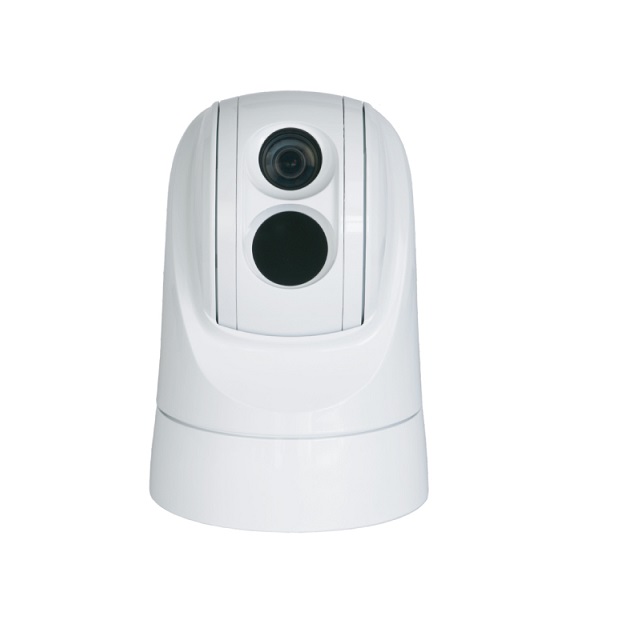
Stabilisation gyroscopique en haute mer agitée
De grosses vagues secouent constamment les navires. De fortes inclinaisons ruinent les flux vidéo normaux.
Les pièces internes arrêtent automatiquement les secousses dues aux vagues. De petits moteurs déplacent rapidement la caméra. Ils effectuent des ajustements des milliers de fois par jour. Les lentilles restent verrouillées sur les cibles. De grosses vagues ne peuvent pas gâcher les images.
Sécurité des ports et des périmètres côtiers
Les responsables portuaires font face à de grands problèmes de sécurité. Les frontières océaniques sont immenses. Les zones aquatiques importantes nécessitent une surveillance permanente. Les bateaux indésirables doivent rester à l'écart. Les nouvelles caméras PTZ doubles maritimes gardent les quais. Elles protègent les plateformes aquatiques. Elles maintiennent les voies de navigation sûres. Elles fonctionnent toute la journée.
Surveillance longue portée des zones riveraines
Les capteurs thermiques balaient au loin. Ils n'ont pas besoin de lumière nocturne. Les opérateurs surveillent les zones à haut risque. Ils repèrent les dangers au large. Les grandes lentilles optiques zooment rapidement. Elles vérifient instantanément les cibles. Cela se produit dans des zones verrouillées.
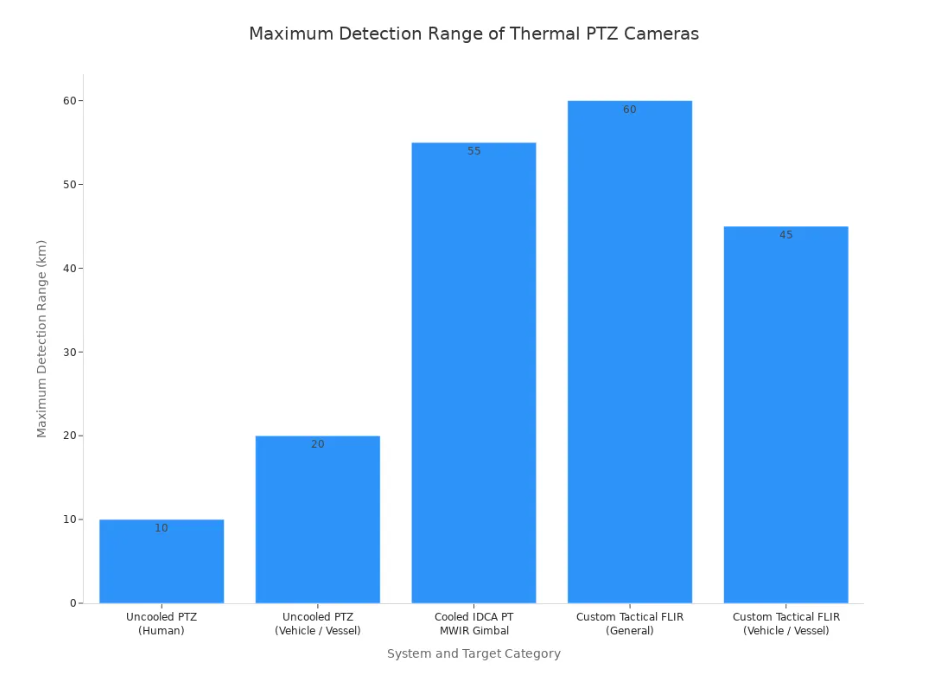
Les composants de capteurs refroidis voient plus loin. Les gardes arrêtent les menaces tôt.
Intégration des systèmes radar et AIS
Les centres de sécurité relient directement les unités de caméra. Ils se connectent au radar. Ils utilisent le suivi d'identification des navires. Les systèmes communiquent entre eux. Ils orientent automatiquement les caméras vers les cibles. Le radar repère d'abord les bateaux inconnus. Le système oriente rapidement la caméra PTZ thermique. Il utilise des emplacements de cible précis.
-
Le radar repère rapidement les bateaux entrants.
-
L'AIS identifie les navires de travail amis.
-
Les doubles capteurs capturent des vidéos claires.
Détection automatisée des menaces et alertes
Les outils vidéo intelligents analysent les flux. Ils lisent le système d'imagerie thermique marine. Un code informatique intelligent repère les mouvements inhabituels. Il détecte les bateaux flottants sombres. Le centre principal avertit rapidement les gardes. Il signale les violations des règles de sécurité.
Les gardes reprennent maintenant le contrôle manuellement. Ils utilisent un clavier de contrôle marin. Le joystick fluide suit les cibles rapides. Cette configuration intelligente arrête les acteurs malveillants. Elle maintient les ports sûrs chaque jour.
Navigation des navires par faible visibilité
Les mauvaises conditions météorologiques nuisent aux déplacements maritimes. Le brouillard, les embruns et la pluie cachent les itinéraires. Les navires ont besoin de bons outils de caméra. Ces outils maintiennent les trajectoires sûres.
Pénétration du brouillard, de la brume et des fortes pluies
Les caméras classiques échouent sous la pluie. Les gouttes d'eau rendent les images floues. Un système d'imagerie thermique marine résout ce problème. Les longues ondes de chaleur repèrent facilement les cibles. Les capteurs thermiques lisent l'énergie des cibles.
|
Caractéristique / Mesure |
Caméras à lumière visible |
Caméras thermiques / infrarouges |
|---|---|---|
|
Mécanisme de détection |
Capture la lumière visible ambiante réfléchie |
Détecte le rayonnement thermique émis directement par les cibles |
|
Impact des gouttelettes de brouillard |
Une forte diffusion provoque des images floues et délavées |
Les longueurs d'onde pénètrent efficacement les gouttelettes d'eau en suspension |
|
Performance dans un brouillard dense |
Dégradation rapide ; forte baisse de la portée de détection |
Maintient une précision de détection des piétons supérieure à 90 % à une visibilité de 13 m |
L'énergie thermique traverse l'air humide. Les navires obtiennent des flux thermiques clairs. Cela fonctionne dans un brouillard sombre.
Les caméras thermiques traversent facilement le brouillard. Elles voient lorsque les caméras à lumière échouent.
Détection des dangers non éclairés et des débris flottants
Les dangers maritimes cachés causent des problèmes. Les conteneurs, les poteaux en bois et les troncs endommagent les coques. Le radar manque les petits objets flottants. Le désordre des vagues les dissimule.
Une caméra PTZ thermique repère les petites variations de chaleur. Elle compare les objets à l'eau froide de l'océan. Les opérateurs surveillent continuellement les flux vidéo. Ils trouvent rapidement les petits dangers. Les capitaines détournent les navires rapidement. Cela évite de graves dommages.
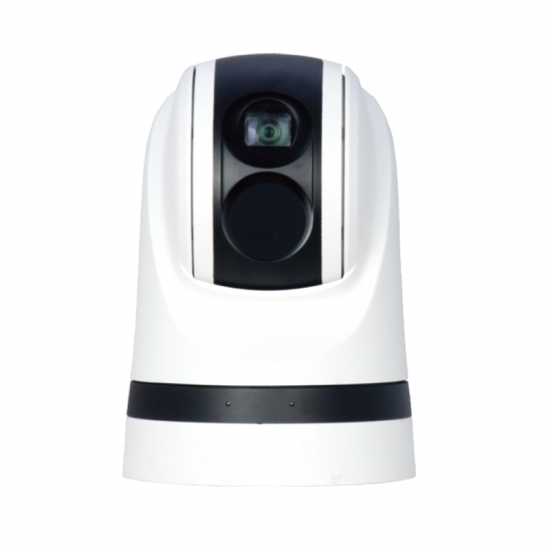
Déploiement de caméras PTZ doubles maritimes pour éviter les collisions
Les nouvelles flottes de navires utilisent des caméras PTZ doubles maritimes. Elles éliminent les zones de mauvaise visibilité. Les équipages utilisent un clavier de contrôle marin. Les commandes du joystick déplacent rapidement les caméras. Les opérateurs changent instantanément les vues des capteurs. Ils passent de la chaleur thermique au zoom visuel.
Les lentilles visuelles offrent une grande puissance de zoom. Les équipages identifient les marqueurs et les angles des navires. Les doubles capteurs fournissent des vues complètes. Les navires naviguent en sécurité dans un brouillard épais.
Lutte contre la piraterie et atténuation des menaces
Les pirates attaquent encore de grands navires aujourd'hui. Les équipages maritimes font constamment face à de réels dangers.
Les outils de caméra intelligents donnent aux gardes plus de temps. Ils protègent facilement les navires de transport de marchandises précieux.
Détection précoce des embarcations rapides
Les petits bateaux pirates se déplacent très rapidement. Les attaques se produisent pendant les nuits sombres. Un système d'imagerie thermique maritime balaie au loin. Les capteurs de chaleur repèrent rapidement les moteurs chauds.
Les capteurs de chaleur repèrent les embarcations rapides entrantes bien avant que les vigies humaines ne les voient.
Les gardes repèrent désormais tôt les bateaux rapides. Les capitaines détournent rapidement les navires.
Identification visuelle des menaces à longue portée
Les caméras thermiques trouvent d'abord les points cibles. Les objectifs de jour vérifient ensuite le danger. Les unités de caméra maritime double PTZ modernes disposent d'un zoom puissant. Les gardes zooment sur de petits détails :
-
Armes et échelles hautes à l'intérieur
-
Nombre total de personnes malveillantes
-
Vitesse du bateau et outils d'attaque
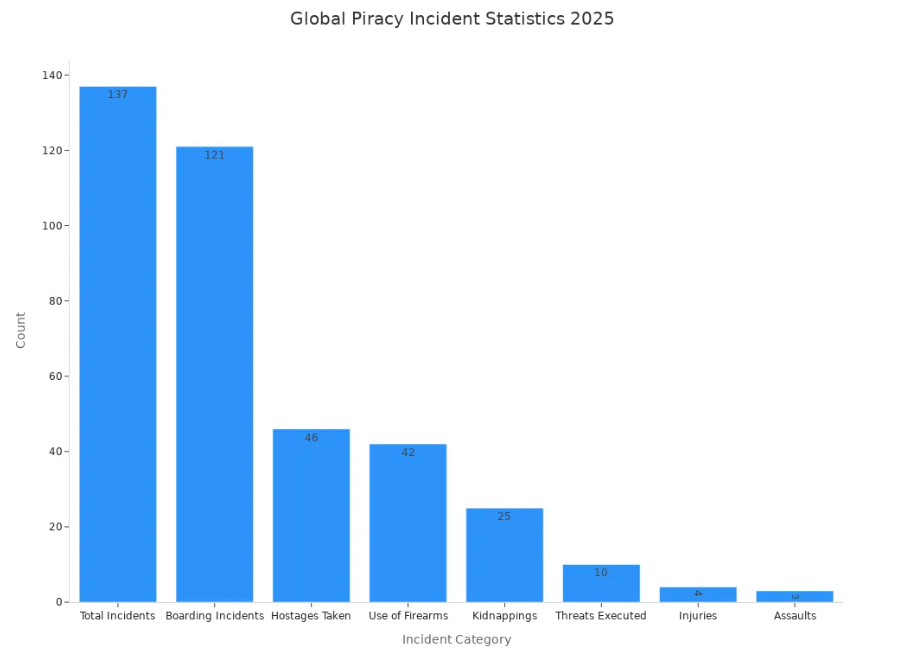
|
Catégorie de mesure |
Chiffres de la piraterie IMB (2025) |
Impact opérationnel |
|---|---|---|
|
Nombre total d'incidents |
137 dans le monde entier |
Nécessite une vigilance visuelle constante |
|
Incidents d'abordage |
121 cas |
Nécessite une détection précoce au-delà du périmètre |
|
Utilisation d'armes à feu |
42 cas |
Nécessite des distances de sécurité à longue portée |
Les gardes déplacent rapidement la caméra thermique PTZ. Ils utilisent un clavier de contrôle maritime. Les commandes du joystick suivent facilement les cibles rapides.
Intégration avec des moyens de dissuasion non létaux
Des images claires aident les gardes à agir en toute sécurité. La vidéo en direct est envoyée aux centres de défense. Les gardes orientent des dispositifs sonores puissants. Ils dirigent précisément des lumières vives. Ils alignent les canons à eau.
Les équipages utilisent des armes non létales à distance. Les arrêts précoces protègent les travailleurs maritimes.
Inspection de l'accostage, du fret et des ponts à distance
Amarrage précis et assistance des remorqueurs
Les grands navires se déplacent dans de petites zones portuaires. Les capitaines ne peuvent pas voir facilement tous les côtés. Les travailleurs installent des caméras maritimes double PTZ en hauteur. Ces deux objectifs zoom montrent l'espace réel. Ils mesurent les distances jusqu'aux quais et aux remorqueurs. Les pilotes vérifient constamment les flux vidéo en direct. Cela évite les accidents graves de navires aux quais.
Opérations de fret et suivi logistique
Les responsables portuaires surveillent les boîtes en mouvement avec des caméras. Les objectifs haute résolution lisent clairement les numéros des boîtes. Ils voient les étiquettes de sécurité et les étapes des grues. Les utilisateurs déplacent les caméras avec un winsafecctv clavier de contrôle maritime. Le personnel enregistre quotidiennement ces clips vidéo clairs. Cela permet de suivre rapidement toutes les marchandises.
Inspection non intrusive des ponts et des machines
Les travailleurs vérifient la sécurité du pont depuis l'intérieur. Les capteurs thermiques mesurent les points chauds des machines.
-
Les composants thermiques vérifient quotidiennement la chaleur des boîtes.
-
Une caméra thermique PTZ repère les zones chaudes.
-
Les modules visuels envoient les valeurs de chaleur aux alarmes.
Les ingénieurs réparent les moteurs chauds avant le début des incendies. Les navires gardent les membres d'équipage à l'abri des dangers.
Les vues à deux capteurs éliminent les zones sombres dangereuses. Elles protègent les voies maritimes très fréquentées et les ports. Les systèmes PTZ thermiques haute précision avec zoom permettent d'économiser de l'argent. Ces unités intelligentes empêchent les collisions coûteuses de navires. Elles réduisent les risques et protègent toujours les cargaisons coûteuses.
De nouvelles caméras doubles protègent les marchandises maritimes coûteuses. Elles éliminent également les principaux angles morts.
Les responsables des navires doivent ajouter dès maintenant des caméras PTZ doubles maritimes. Cela améliore les réseaux de sécurité aujourd'hui.
FAQ
Qu'est-ce qui rend une caméra PTZ double maritime différente des caméras de sécurité standard ?
Les caméras normales utilisent uniquement la lumière. Une caméra PTZ double maritime associe des capteurs thermiques à des objectifs zoom. Des supports gyrostabilisés puissants les maintiennent. Ces caméras doubles fonctionnent dans l'obscurité totale. Elles voient à travers un brouillard épais. Elles affichent des vues continues des ports.
Les doubles vues associent la chaleur thermique à un zoom clair.
Comment un système d'imagerie thermique maritime aide-t-il par temps de faible visibilité ?
Un brouillard dense disperse la lumière vive. Un système d'imagerie thermique maritime lit directement le rayonnement thermique des cibles. Les membres d'équipage repèrent rapidement les dangers sombres. Ils trouvent rapidement les débris flottants. Les navires évitent désormais les collisions coûteuses.
Les opérateurs peuvent-ils contrôler facilement une caméra PTZ thermique pendant une mer agitée ?
Oui. Les utilisateurs gèrent une caméra PTZ thermique à l'aide d'un clavier de contrôle maritime.
La technologie intelligente maintient toujours la stabilité de la vidéo.
Comment les systèmes PTZ doubles s'intègrent-ils aux réseaux radar et AIS existants des navires ?
-
Le radar du navire suit rapidement les navires inconnus.
-
Les logiciels intelligents déplacent rapidement les objectifs.
-
Les optiques de zoom vérifient immédiatement les cibles.


 +8613725587481
 sales@winsafecctv.com